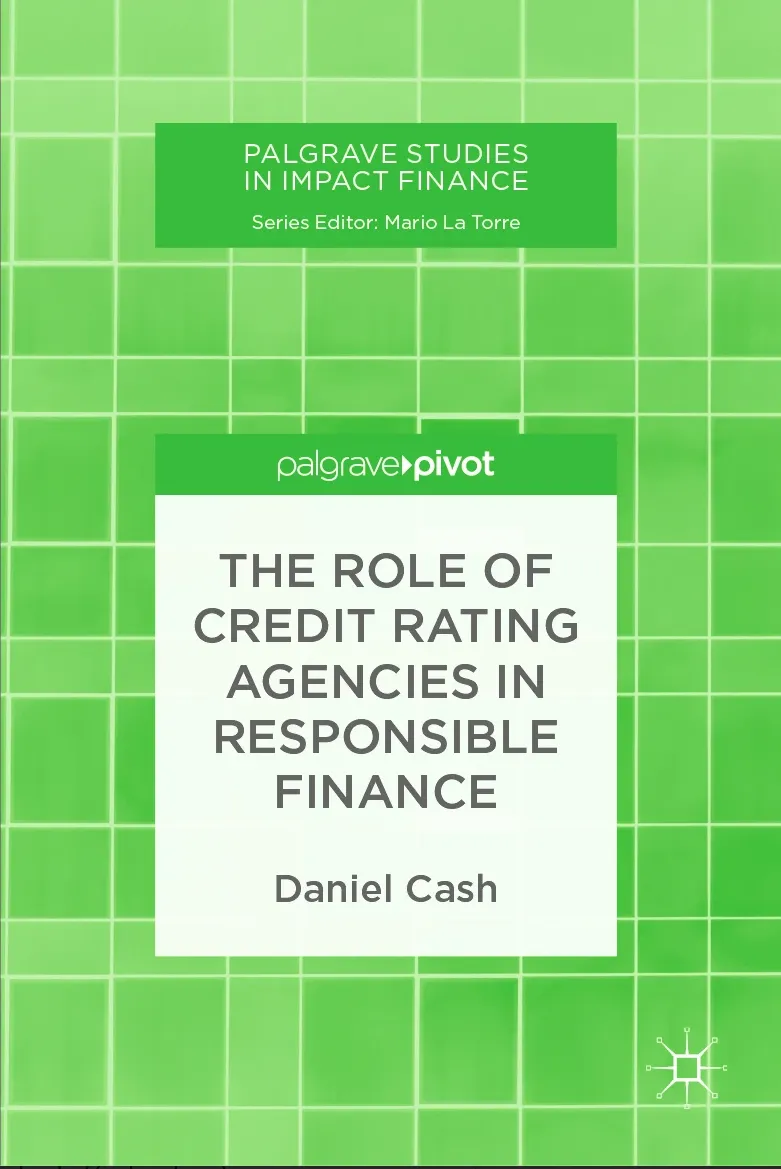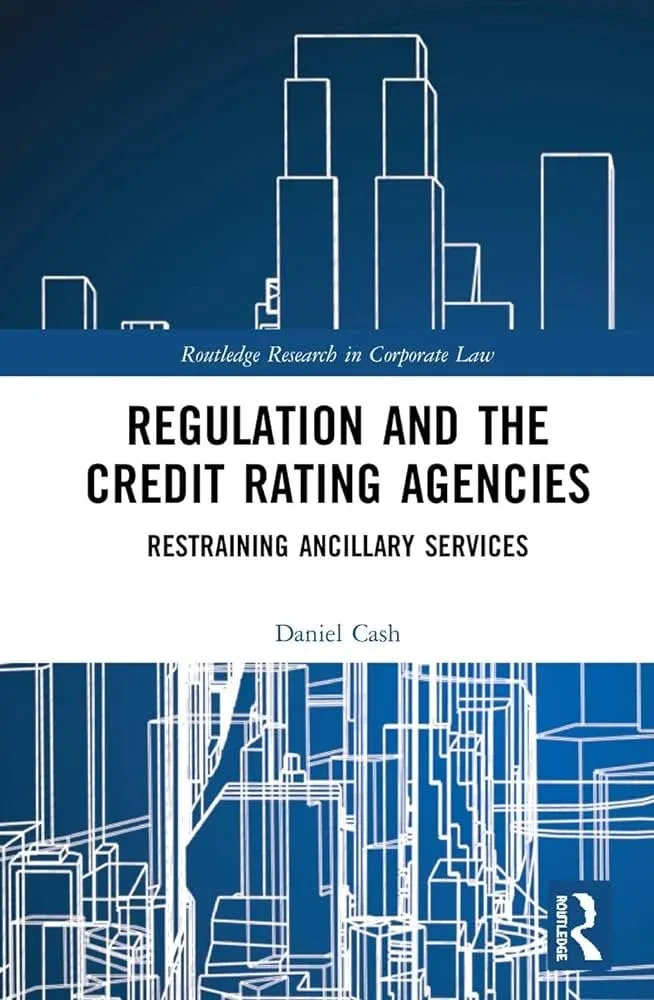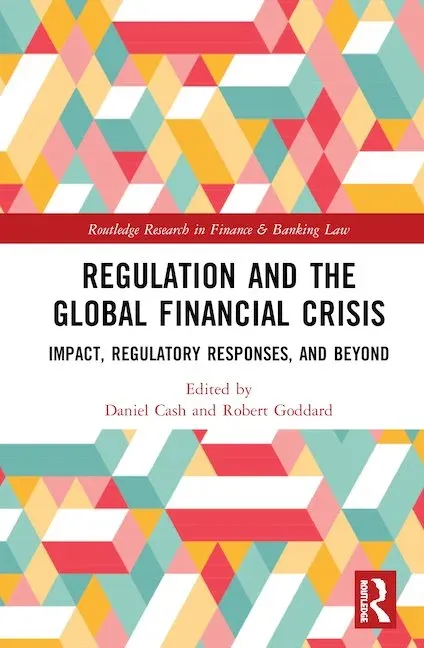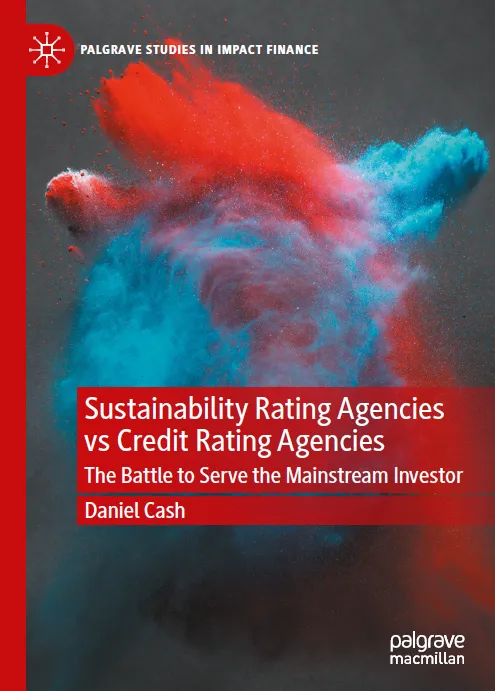
Dr Daniel Cash
Researcher. Adviser. Institution Builder.
Studying the institutions that govern sovereign creditworthiness and development finance
Dr Daniel Cash is a researcher, adviser, and institution builder whose work examines how countries are judged by the institutions that shape access to international finance. His research focuses on sovereign credit ratings, development finance, evaluation systems, and the institutional capabilities governments require to operate effectively within them.
His work combines academic research with practical engagement across governments, multilateral organisations, and development institutions. Rather than treating sovereign credit ratings or development finance as isolated technical subjects, he studies the wider architecture through which credibility is constructed, risk is evaluated, and investment decisions are made. Increasingly, his work explores how governments can strengthen their own evaluative capability, enabling them not only to respond to external assessments but to participate more effectively in the systems that produce them.
Daniel is Reader in Law at Aston University and a Senior Fellow at the United Nations University Centre for Policy Research (UNU-CPR). He previously served as a Fulbright Scholar at New York University Stern School of Business, where he researched the role of credit rating agencies within global financial markets.
Alongside his academic work, Daniel advises governments, international organisations, and development partners on sovereign creditworthiness, institutional capability, programme design, and the changing architecture of international development finance. His work has informed discussions across Africa, Europe, and the United Nations system, contributing to initiatives that strengthen how countries engage with external evaluation and mobilise sustainable finance.
His publications have appeared in leading academic journals and public policy outlets, and he is a regular contributor to international discussions on sovereign credit ratings, financial governance, and institutional reform. Through this platform he publishes essays, frameworks, and practical guidance designed to bridge rigorous research with real-world policy application.
The purpose of this website is simple: to make complex systems of international finance more understandable, while developing practical ideas that help governments and institutions navigate them more effectively.




Research Programme
His research examines the institutions that shape how countries establish credibility within the international economy.
While sovereign credit ratings remain a central part of this work, they represent one example of a broader phenomenon. Increasingly, governments are evaluated through interconnected systems of financial, environmental, technological, and governance assessment that influence access to capital, investment, and international partnerships. Daniel's research seeks to understand how these systems operate, how they are changing, and how governments can engage with them more effectively.
Rather than studying evaluation solely as an outcome, the work programme focuses on the institutional capabilities required to participate within systems of external judgement. This has led to a broader research programme centred on evaluative capability: the ability of governments to anticipate, understand, respond to, and increasingly shape the evidence on which important economic decisions are made.
The programme combines conceptual research with practical application. Alongside academic publications, it develops frameworks, policy guidance, and institutional tools designed to support governments, development institutions, and international organisations.
Current research is organised around five interconnected themes:
Sovereign Credit Ratings
Understanding how sovereign creditworthiness is assessed, how rating committees operate, and how governments engage with international credit rating agencies.
This research examines both the mechanics of sovereign ratings and their wider influence across development finance, investment, and public policy.
Development Finance
Exploring how multilateral development banks, bilateral donors, and private capital increasingly rely on systems of external evaluation to allocate resources and manage risk.
Recent work examines blended finance, institutional capability, and the changing architecture of development finance.
Evaluative Capability
Developing practical frameworks that help governments operate more effectively within external systems of assessment.
This research considers how institutions anticipate evaluation, organise evidence, coordinate across government, and strengthen their capacity to engage with increasingly complex evaluative environments.
Institutional Capability
Examining how governance structures, organisational design, and public institutions shape economic credibility over time.
Particular attention is given to institutional coordination, information systems, and the governance arrangements that underpin sustainable access to international finance.
African Financial Architecture
Studying the evolution of Africa's financial institutions, sovereign debt markets, regional credit rating initiatives, and institutional innovation across the continent.
This work explores how African governments and regional organisations can strengthen their position within an evolving global financial architecture.
From Research to Practice
A defining feature of this programme is the commitment to translating research into practical tools.
Alongside academic publications, this website hosts essays, policy analysis, and an expanding Framework Library that converts research findings into practical guidance for governments, development institutions, and practitioners.
The objective is straightforward: rigorous research should not only explain how institutions work, but also help improve them.