
Every engagement begins with a different challenge, but the approach is consistent. My work focuses on understanding institutional problems before developing practical frameworks that can be implemented by governments, international organisations and policy practitioners. The case studies below illustrate how research has been translated into practice through collaborations with international partners, demonstrating how ideas can inform institutional design, policy development and real-world implementation.




The Challenge
Sovereign credit ratings play an increasingly important role in development finance, yet many governments engage with the process reactively and with limited institutional support. The challenge was to design an initiative that strengthened long-term capability, rather than simply improving understanding of credit ratings.
My Contribution
As Lead Consultant, I developed the conceptual framework underpinning the Initiative, designed its public-facing Resource Platform, and helped shape an implementation model capable of translating research into practical institutional support for governments across Africa.
The Outcome
The Initiative established a practical framework for sovereign credit engagement, combining research, guidance and implementation into a single institutional resource. It demonstrates how academic research can be translated into practical infrastructure that supports governments and development partners.
Lasting Principle
My work is guided by a simple principle: build institutional capability, not dependency. Every engagement is designed to leave governments and organisations with stronger frameworks, better decision-making, and practical tools they can continue using independently.

Building the United Nations University's Programme on Credit Rating Governance
The Challenge
Sovereign credit ratings influence borrowing costs, investment decisions and development finance, yet until recently they remained largely absent from international policy discussions. The challenge was to establish credit rating governance as a recognised field of research capable of informing governments and multilateral institutions.
My Contribution
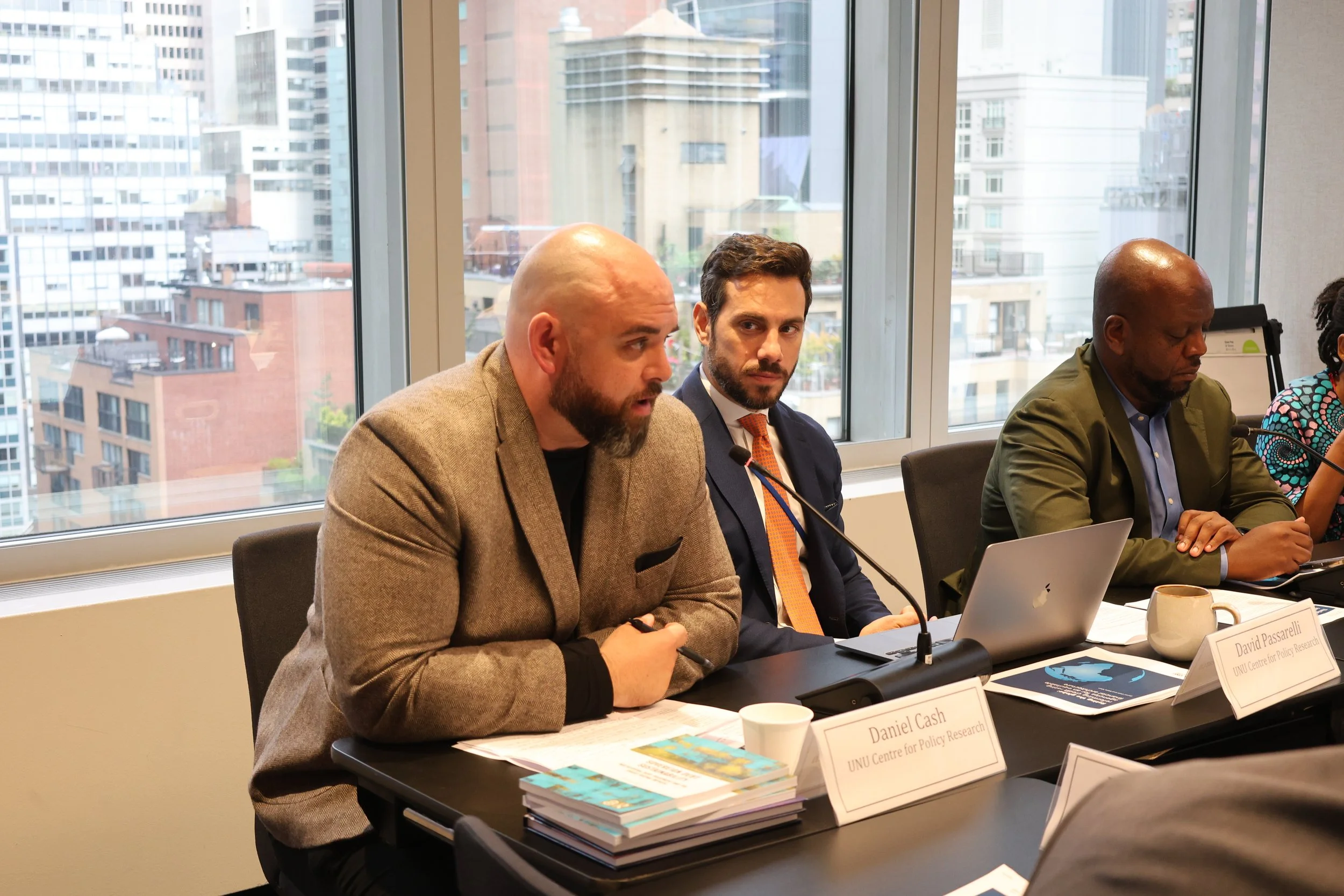
As Senior Fellow (non-resident) at UNU-CPR, I established and lead the Centre's programme of work on sovereign credit rating governance. Working with colleagues and international partners, I have developed a series of research projects examining how credit ratings shape the global financial architecture and the policy options available to governments.
The Outcome
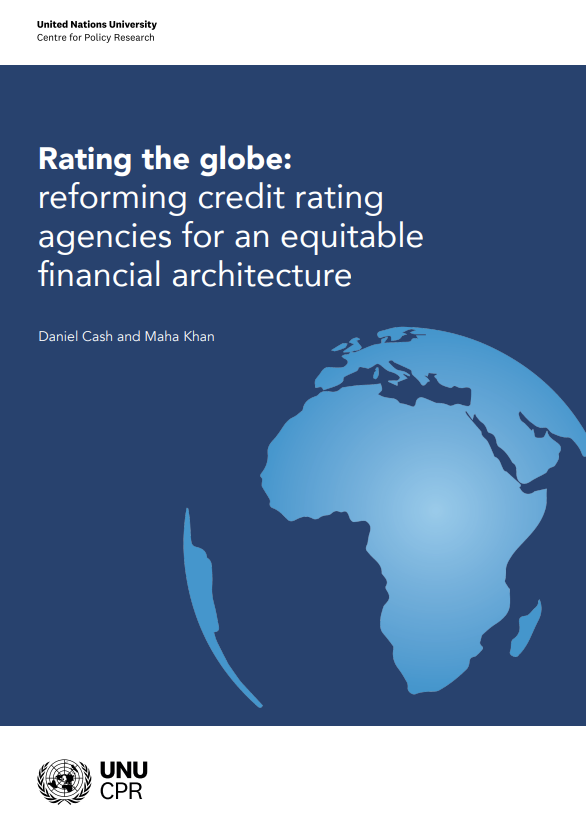
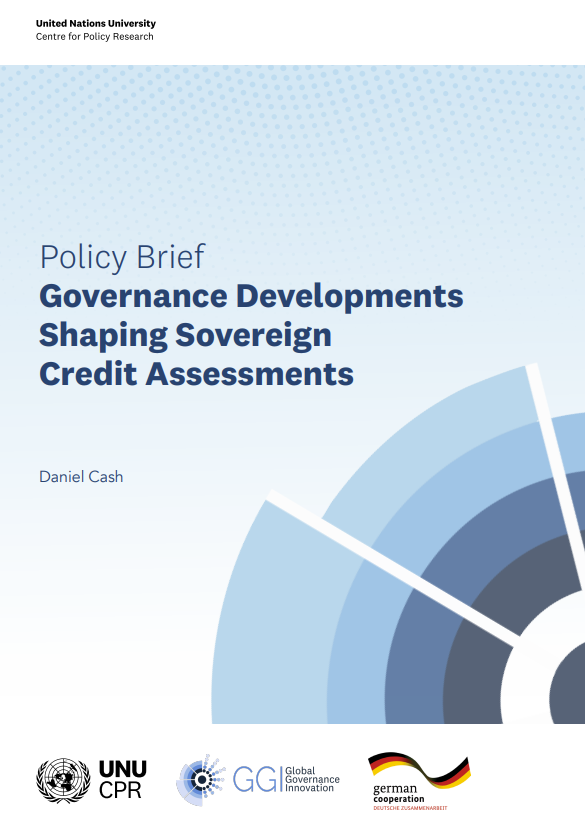
The programme has produced substantial publications including Rating the Globe, Governance Developments Shaping Sovereign Credit Assessments, and The Role of Credit Rating Agencies in the "Debt Crisis". Together, these studies have contributed to international debates on sovereign debt, development finance and credit rating reform, while strengthening the evidence base available to policymakers.
Lasting Principle
Research has its greatest value when it changes the questions policymakers ask, not simply the answers they receive.
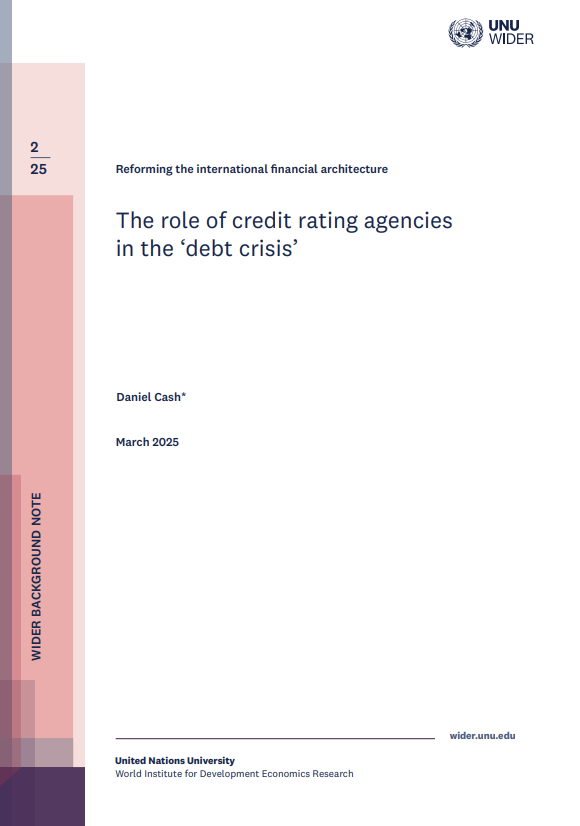
Selected Publications from the Programme
These publications illustrate the breadth of the programme, from structural reform of the international financial architecture to the role of credit rating agencies during sovereign debt crises. Together they have helped establish sovereign credit rating governance as an emerging field of international policy research.

Supporting the United Nations ECOSOC Special Meeting on Sovereign Credit Ratings
The Challenge
Sovereign credit ratings had become increasingly important to international development and debt sustainability, yet there had never been a dedicated United Nations ECOSOC Special Meeting on the subject. The challenge was to bring together governments, international organisations, investors and experts to advance a constructive global dialogue on the back of the FFD4 Conference in Sevilla.
My Contribution
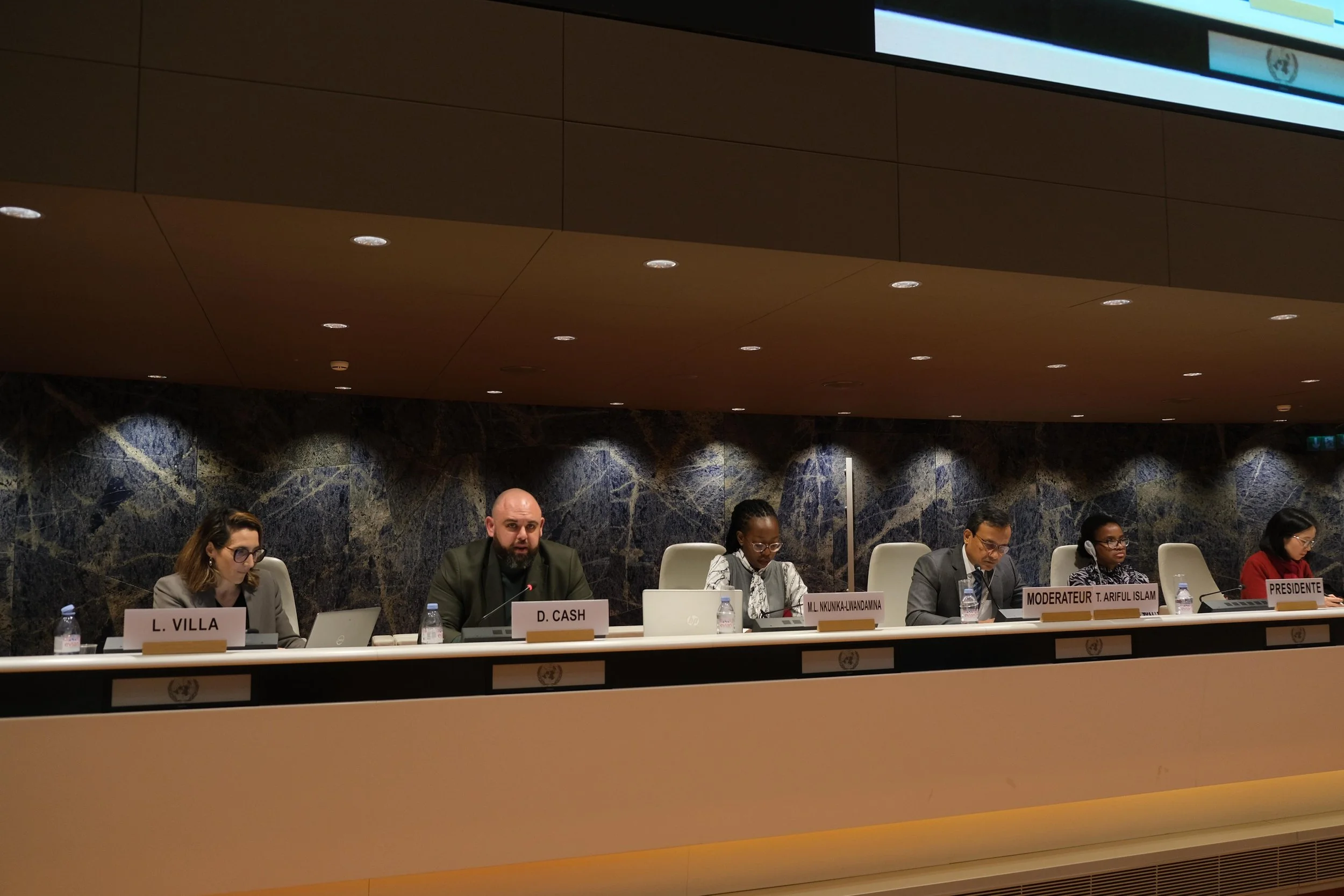
Working alongside colleagues at UN DESA, I contributed to the development of the inaugural Special Meeting. My research informed the programme, and I was invited to moderate one panel and participate as a speaker on another, making me the only external expert to be entrusted with two formal roles during the meeting.
The Outcome
The Special Meeting established sovereign credit ratings as a subject of formal discussion within the ECOSOC framework, bringing together senior representatives from governments, multilateral institutions, investors and academia. It demonstrated how rigorous research can contribute directly to high-level international policy dialogue.
Lasting Principle
Good research should not end with publication. It should help shape the conversations where policy is formed.
Other Selected Engagements
Beyond the case studies above, I have advised, collaborated with or contributed to projects involving governments, multilateral organisations and international partners across Africa, Europe and the United Nations system.